
The Founder’s Mindset: Building Businesses That Grow With Purpose
ENTREPRENEURSHIP & GROWTH
Being a founder isn’t just a role—it’s a mindset. It’s a lens through which you see opportunity, risk, and growth. At Emotiquest, we believe that entrepreneurship isn’t just about building a business; it’s about creating something that connects, inspires, and endures.
If you’re starting or scaling a business, adopting the right mindset is just as critical as mastering marketing, finance, or operations. Here’s how to cultivate a founder’s mindset that fuels both personal growth and business success.
1. Embrace Emotional Intelligence as a Leadership Tool
Founders aren’t just decision-makers—they’re culture-makers.
How to do it:
Listen actively to your team, customers, and partners.
Recognize and manage your own emotions during stressful moments.
Respond empathetically rather than react impulsively.
Why it matters: Businesses are run by people, for people. Understanding emotions—your own and others’—turns leadership into connection, and connection into trust.
2. Think Systems, Not Just Tasks
Creativity thrives when you have structure. Founders who scale effectively build systems that support innovation instead of stifling it.
How to do it:
Document recurring processes—onboarding, content creation, or sales follow-ups.
Automate what can be automated (email sequences, social posting, reporting).
Create feedback loops to learn from successes and failures quickly.
Why it matters: Systems give your business stability, freeing your mind and team to focus on creative problem-solving and growth opportunities.
3. Adopt a Learning-First Mindset
Growth requires constant learning. A founder’s mindset treats every challenge as a lesson rather than a setback.
How to do it:
Reflect on wins and losses weekly—what worked, what didn’t, and why?
Seek mentorship and advice from people who have done what you aim to do.
Stay curious about industry trends, new technologies, and customer needs.
Why it matters: Learning-first founders adapt faster, make better decisions, and position their business for long-term success.
4. Build a Resilient Growth Strategy
Growth doesn’t happen by chance—it’s intentional. Combine vision with actionable steps.
How to do it:
Set measurable goals: revenue, customer engagement, or community impact.
Break big goals into smaller, achievable milestones.
Regularly evaluate progress and pivot when needed, without losing sight of your mission.
Why it matters: A structured growth plan reduces overwhelm, aligns teams, and ensures the business evolves sustainably.
5. Cultivate Community and Emotional Connection
A founder’s job isn’t just to grow a business—it’s to create a network of people who believe in it.
How to do it:
Engage genuinely with customers through storytelling and shared experiences.
Build partnerships that align with your values and amplify impact.
Celebrate team wins and nurture culture intentionally.
Why it matters: Connection drives loyalty, referrals, and organic growth. Businesses that resonate emotionally grow faster and last longer.
Final Thoughts
The founder’s mindset isn’t about working harder—it’s about thinking smarter, leading with empathy, and building systems that support creativity and growth.
When you approach business through emotional intelligence, structured strategy, and continuous learning:
Your team feels supported and inspired
Your customers feel seen and understood
Your business grows in a sustainable, purpose-driven way
Entrepreneurship is a journey of the heart as much as the mind. By adopting a founder’s mindset, you’re not just building a business—you’re building a legacy that resonates beyond profit.


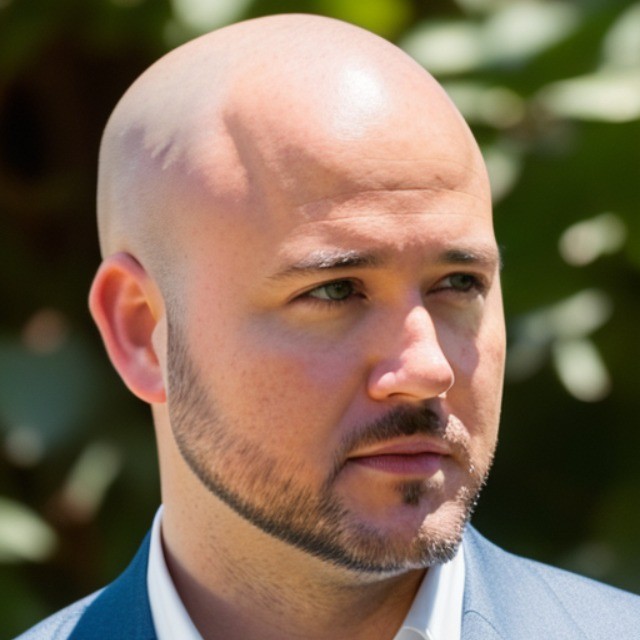
Chris Spicer
President & CEO


chris@emotiquest.com
(256) 910-9163
CONTACTS
HEADQUARTERS
PO Box 794
Falkville, AL 35622